DA/EngineeringProject / 05
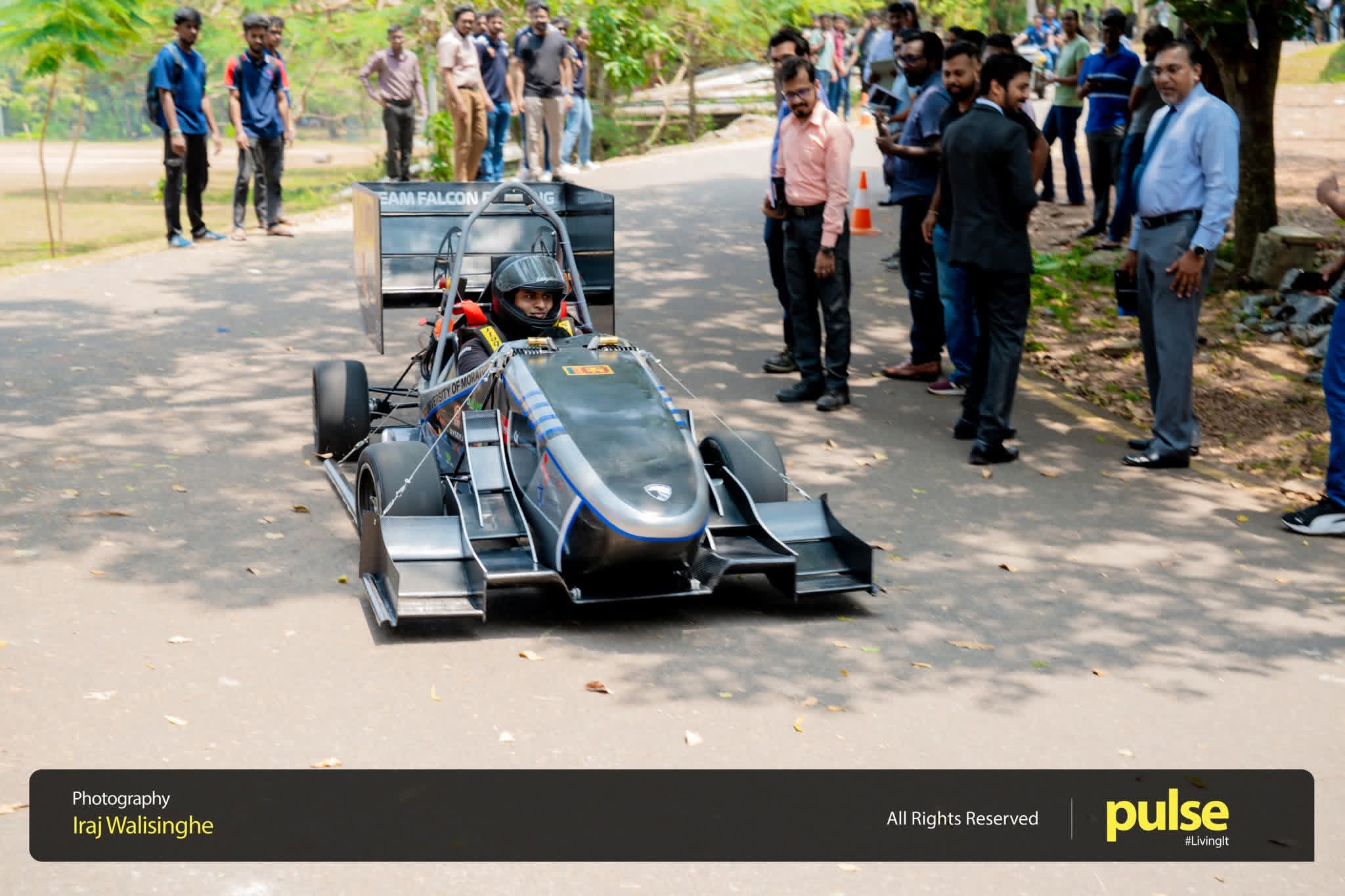
Completed Formula Student race car with manufactured composite bodywork
Back to projects

Project 05

Carbon Fiber Manufacturing

Manufactured Sri Lanka’s first carbon-fiber vehicle components using vacuum-assisted resin infusion, from cost-conscious patterns and molds to composite layup and locally formulated epoxy resin.

Project overview

From patterns to infused panels

Manufactured Sri Lanka’s first carbon-fiber vehicle components using vacuum-assisted resin infusion. The work spanned resource-efficient pattern and mold fabrication, composite layup design, and resin-infusion setup. Mold geometry and layup configurations were developed for highly finished surfaces and structural integrity during infusion; local industry partners helped formulate epoxy resins with suitable flow and curing characteristics.
01 / Pattern making

Resource-efficient tooling foundations

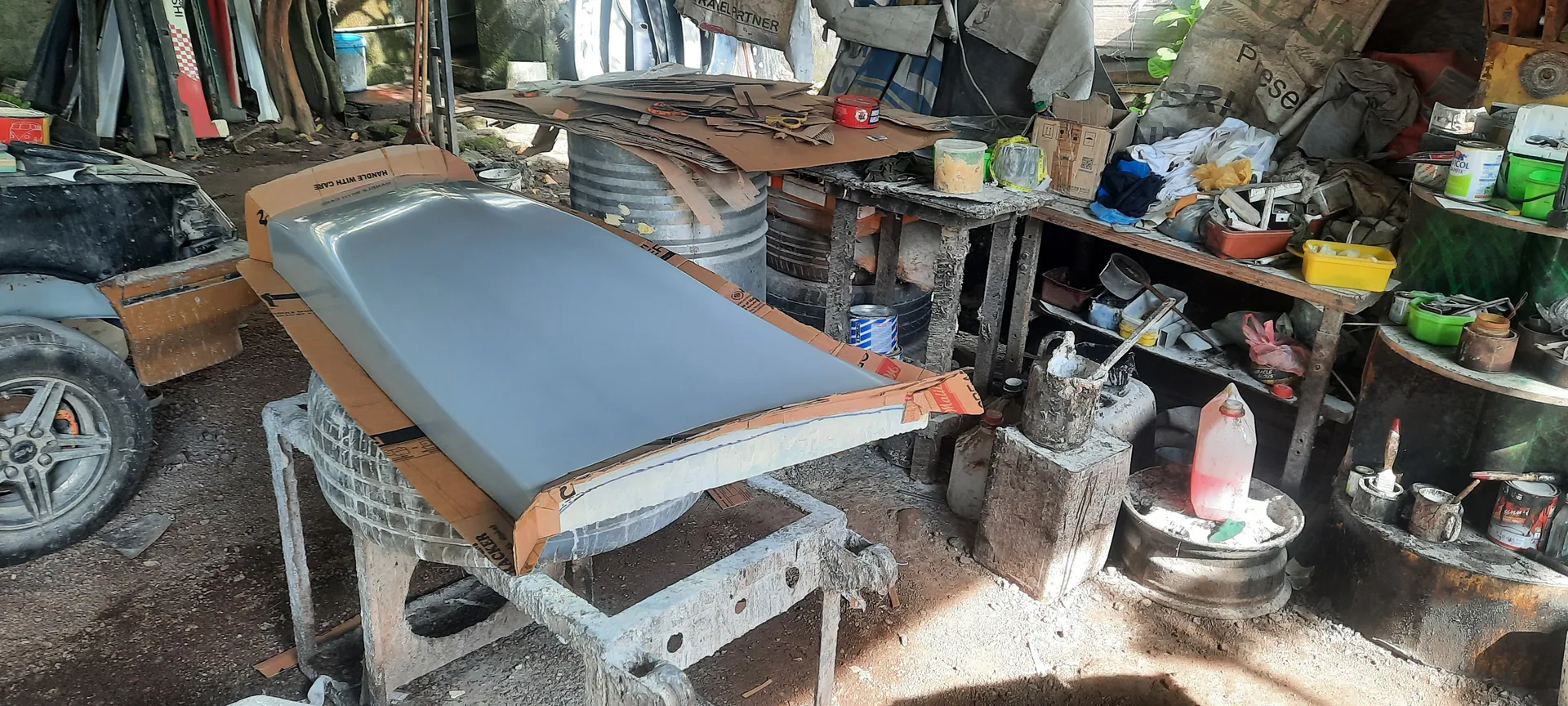
Used cost-effective methods and available resources to manufacture the patterns and molds required for vehicle components. Machined extruded-polystyrene foam into patterns, then smoothed and sanded the surfaces before applying finish coats. Prepared patterns for mold fabrication, including putty finishing and epoxy coating.

CNC routing of extruded-polystyrene foam to create patterns.
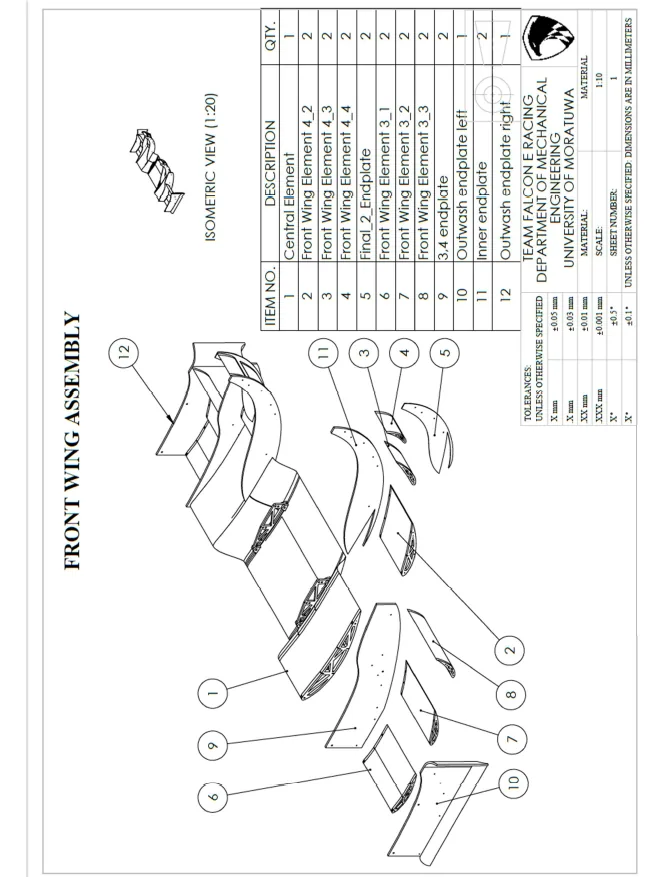
Assembly drawing of the front wing
Assembly drawing of the front wing.
Applying wood putty to a machined polystyrene pattern
Coating the machined polystyrene pattern with wood putty to smooth its rough surface.
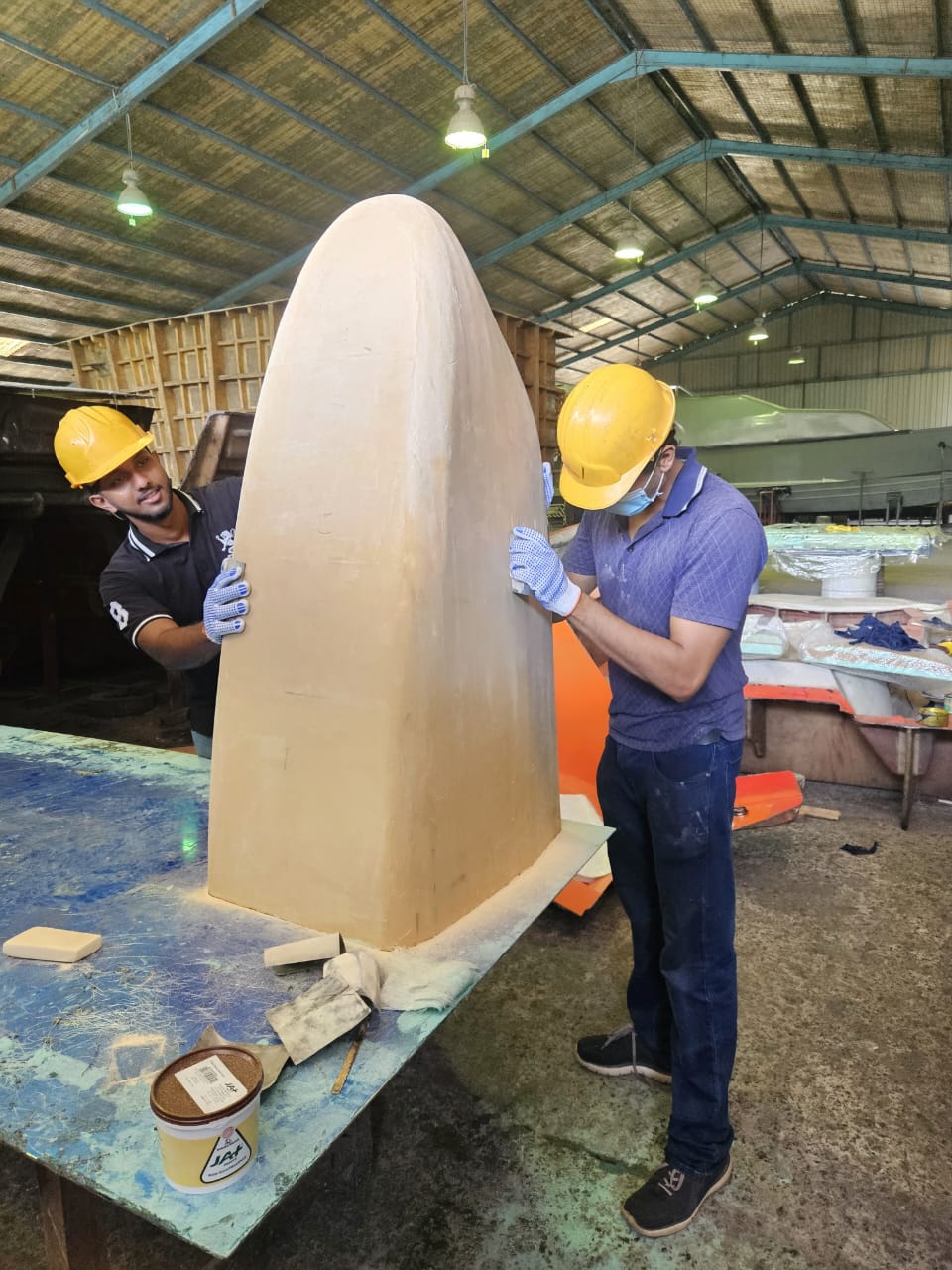
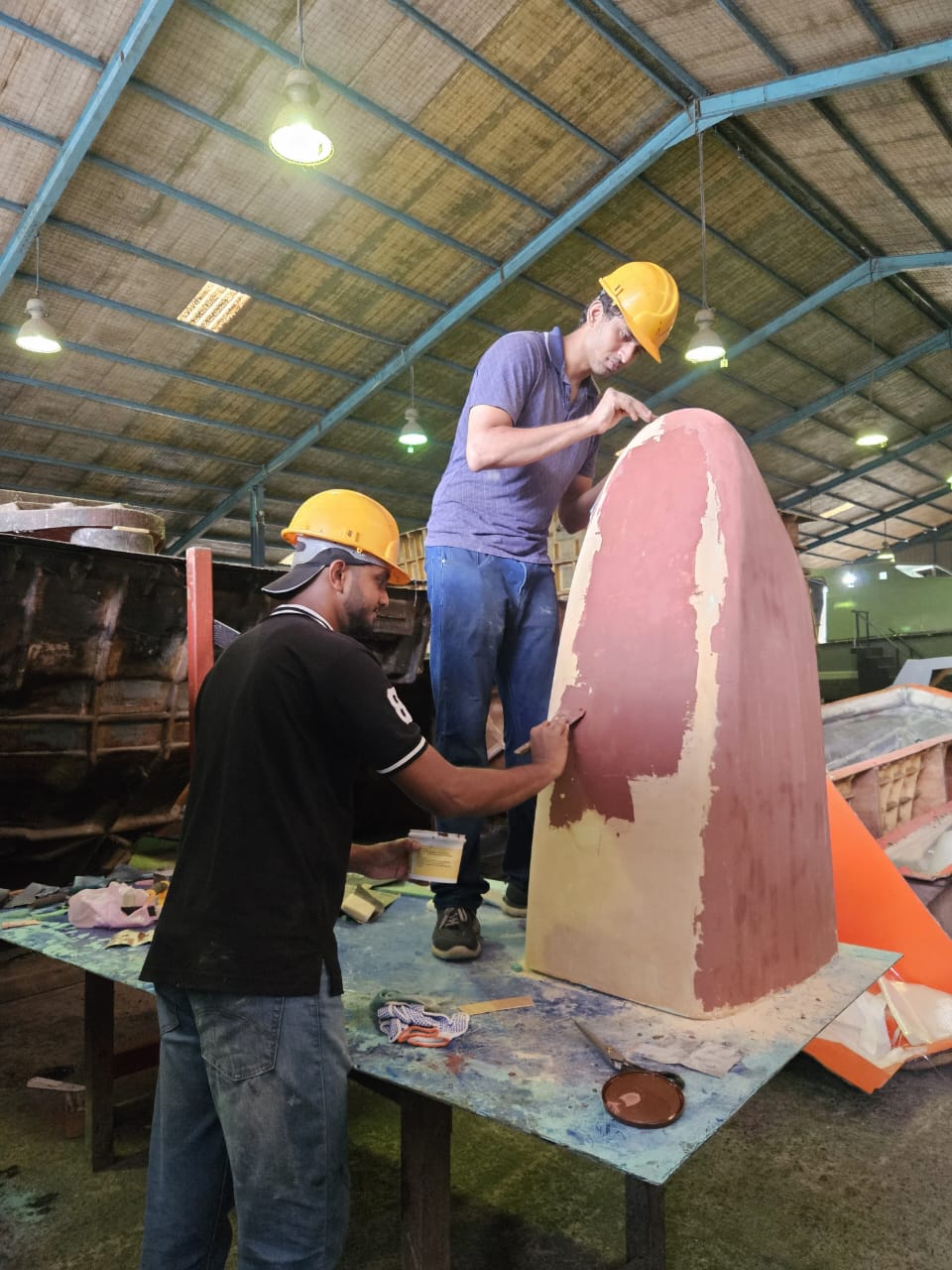
Sanding and smoothing a nose-cone pattern
Sanding and smoothing the surface of the nose-cone pattern.
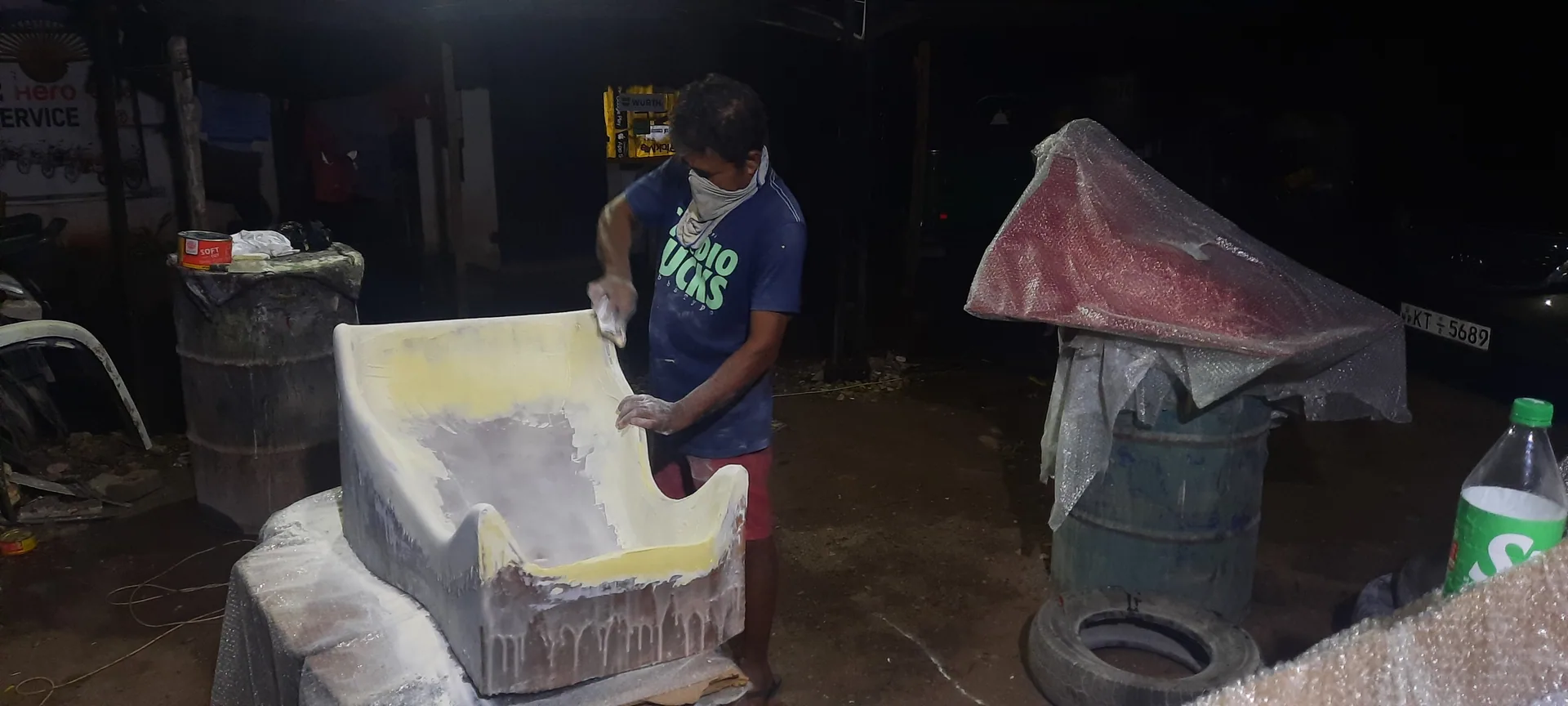
Sanding and finishing a seat pattern
Sanding and finishing the pattern for the seat mold.
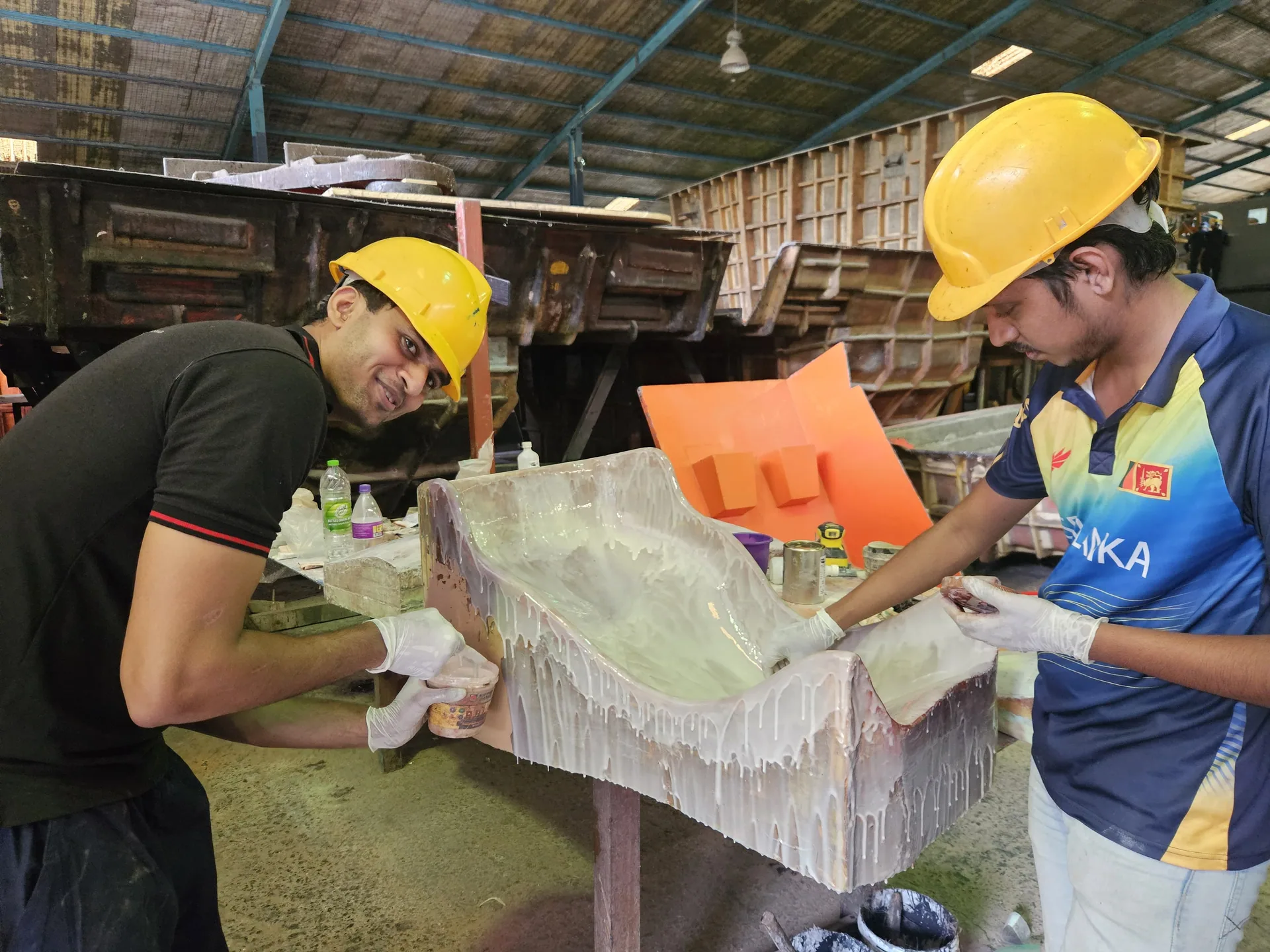
Applying an epoxy coating to the seat pattern
Epoxy coating of the seat pattern.
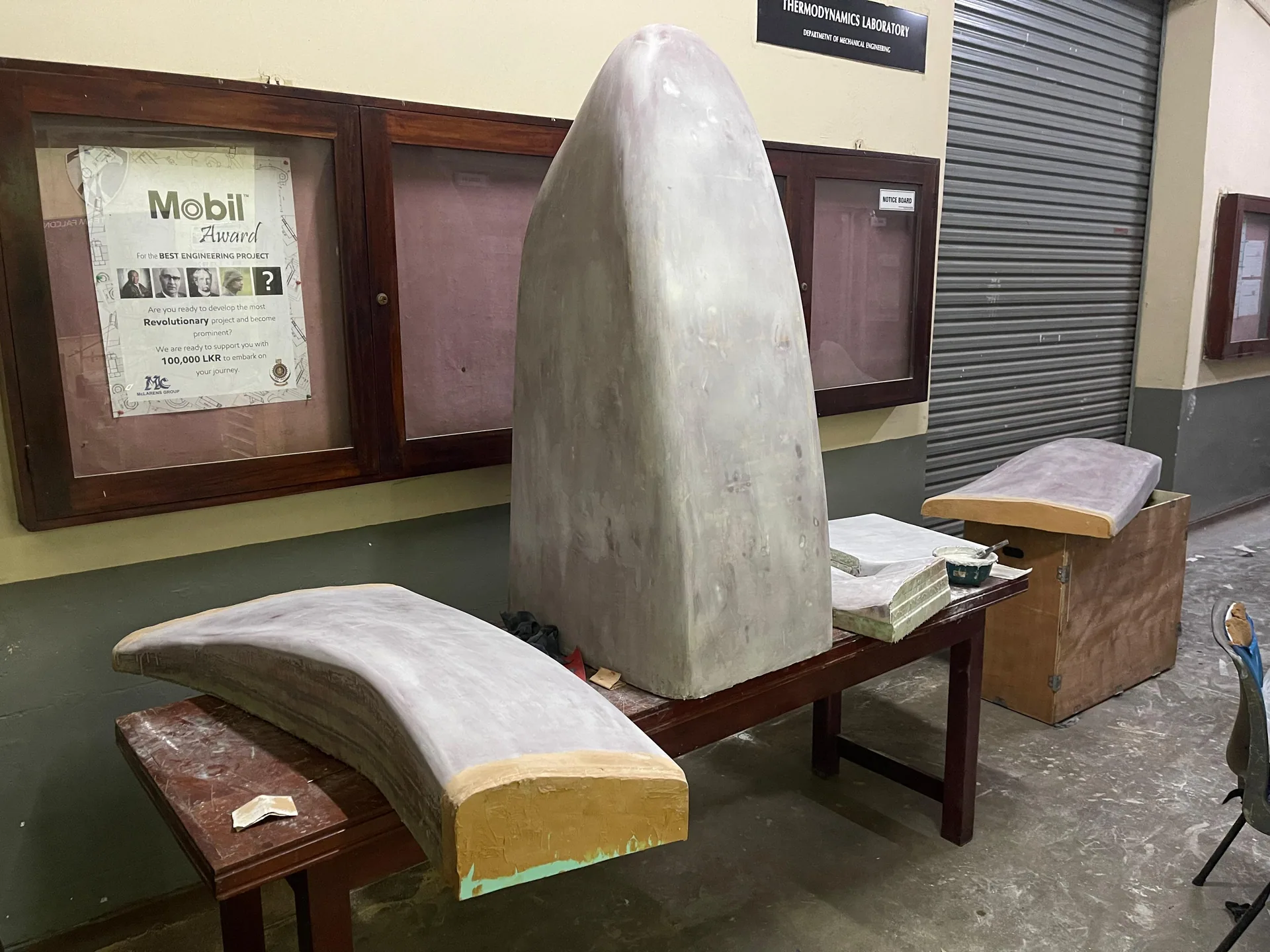
Finished epoxy-coated patterns on display
Finished epoxy-coated patterns.

02 / Mold fabrication

Surface finish and structural integrity

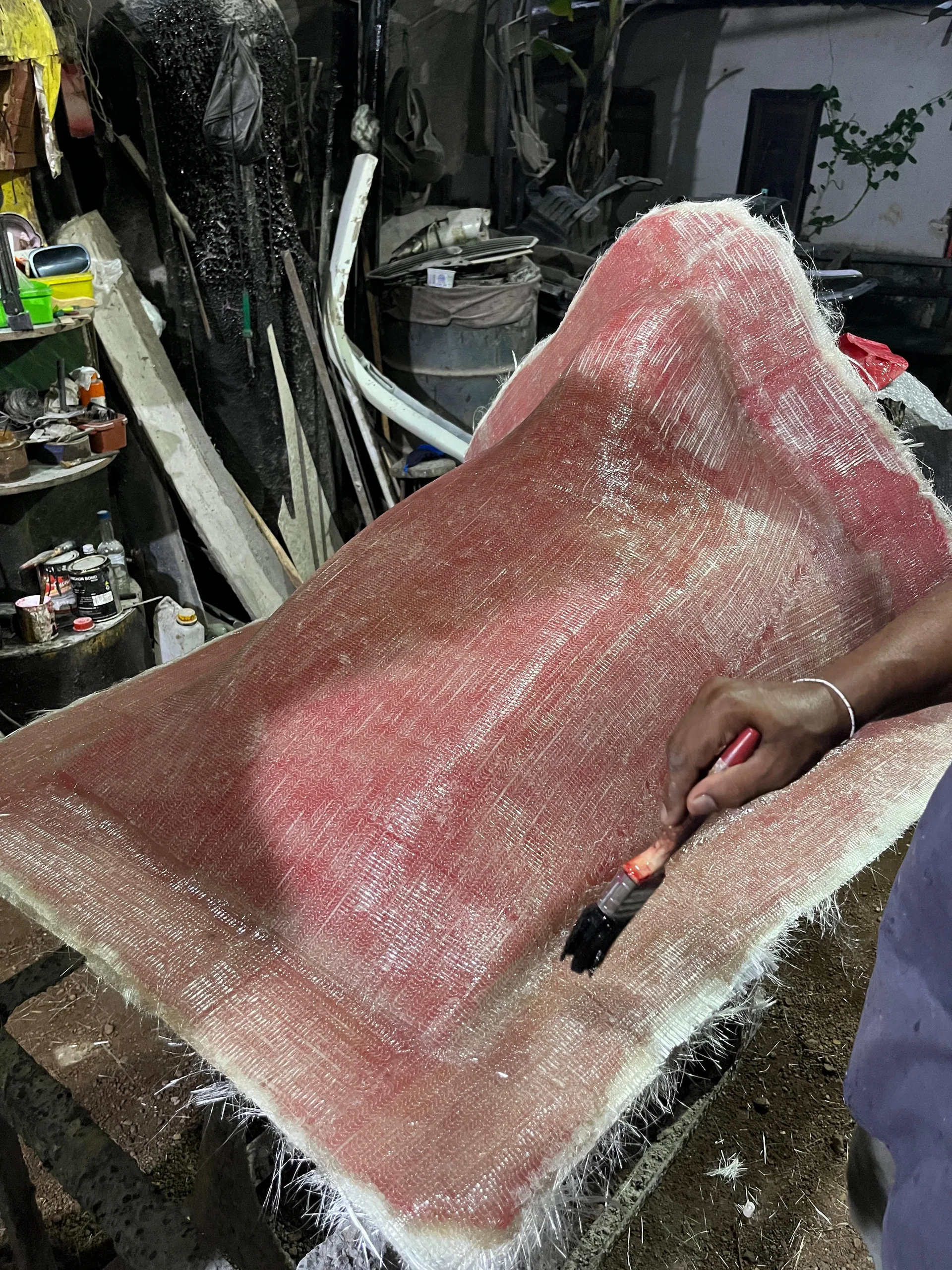
Designed molds and composite layup configurations to produce highly finished surfaces while maintaining structural integrity during infusion. Created mold flanges using cardboard and fabricated molds with hand-laid chopped fiberglass wetted with polyester resin.

Layup of chopped fiberglass and wetting with polyester resin for mold fabrication.
Cardboard flanges being formed around a mold pattern
Creating mold flanges using cardboard.
Hand wet-layup of a fiberglass mold
Wet-layup of the molds by hand.
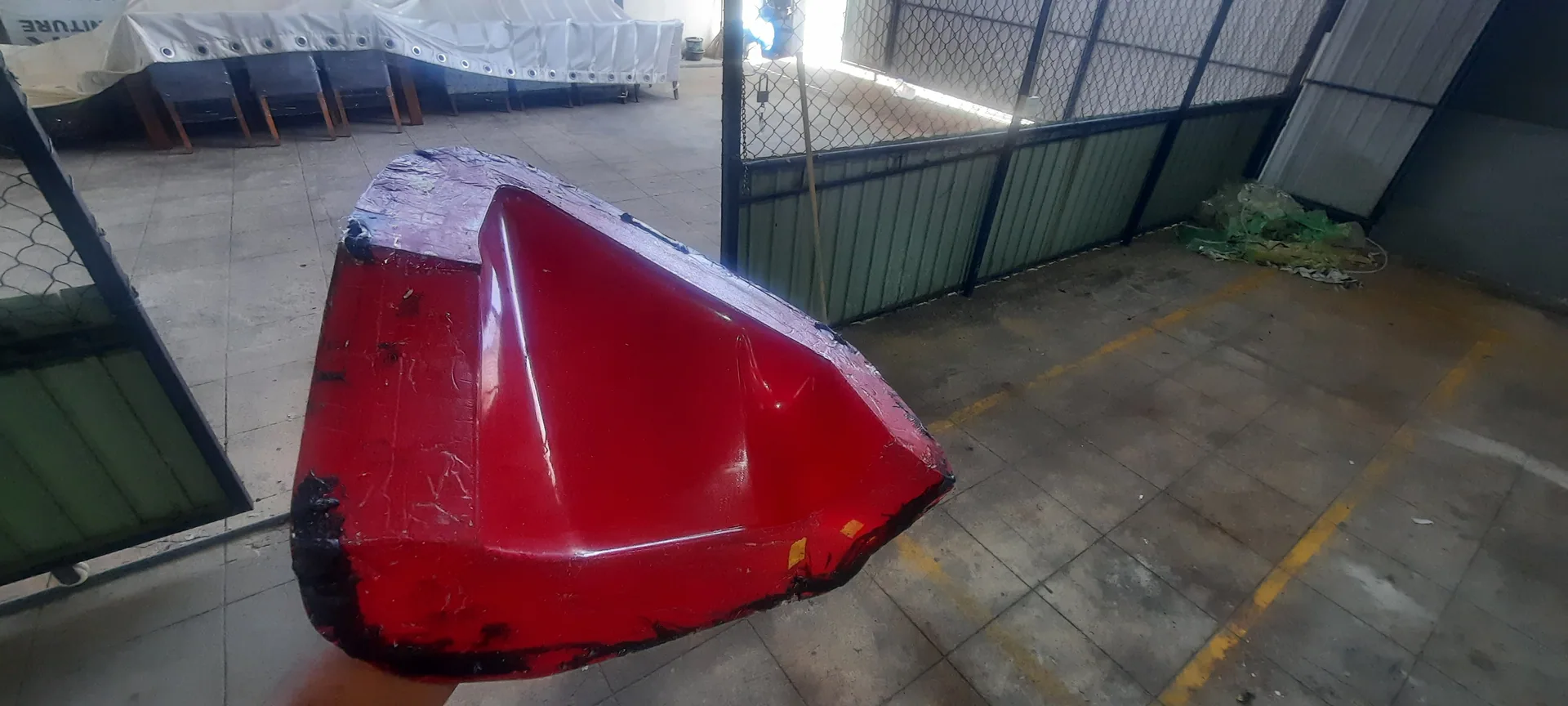
Rear-quarter-panel mold after demolding
Rear-quarter-panel mold after demolding.

03 / Resin infusion

Locally formulated resin, vacuum-assisted process

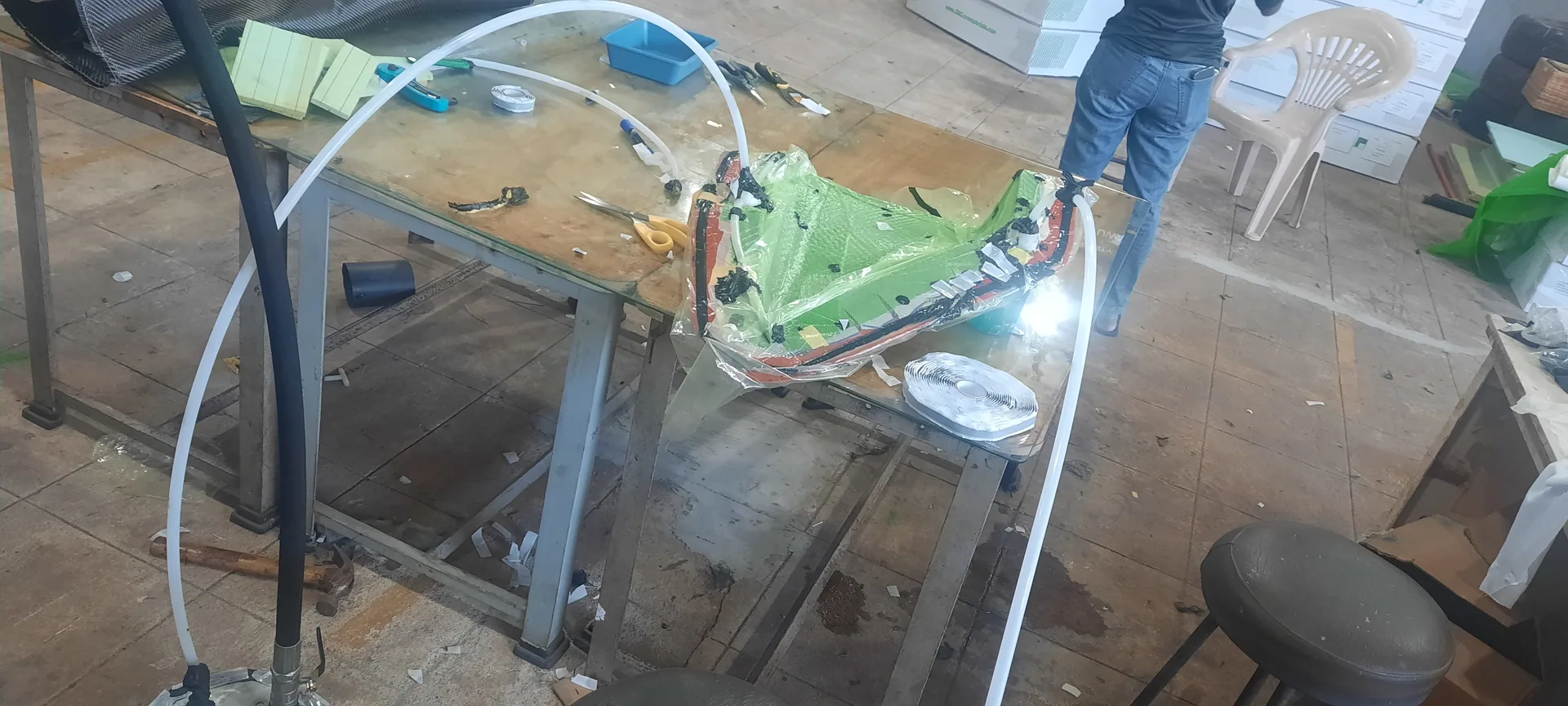
Worked with local industry partners to formulate epoxy resins with favorable flow and curing characteristics for the resin-infusion process. Set up vacuum-assisted resin infusion for the rear-quarter panel and carried out infusion of the first panel.

Vacuum bag and resin lines arranged for rear-quarter-panel infusion
Resin-infusion setup for the rear-quarter-panel component.
Resin infusion of the first panel.

04 / Finished assembly

Components on the completed car

Completed Formula Student car with manufactured body panels
Completed car with the manufactured components installed.